What Conditions or Symptoms Can Acupuncture Treat?
Acute and Chronic Pain Conditions such as:
Neck and back pain
Migraine and headache
Joint pain and arthritis
Fibromyalgia and myofascial pain
Sports injuries and orthopedic conditions
Post operative pain
Carpal tunnel syndrome
Digestive challenges including:
Acid reflux and GERD
Constipation and diarrhea
Irritable bowel syndrome
Other Conditions including:
Chronic fatigue
Infertility
Depression and anxiety
Neurological conditions such as post stroke recovery
Insomnia
Menstrual irregularities
Urinary incontinence
Smoking cessation
Menopausal related hot flashes
Asthma, Allergies, and rhinitis
Nerve related pain (neuropathy)
Frequently Asked Questions
What is Acupuncture?
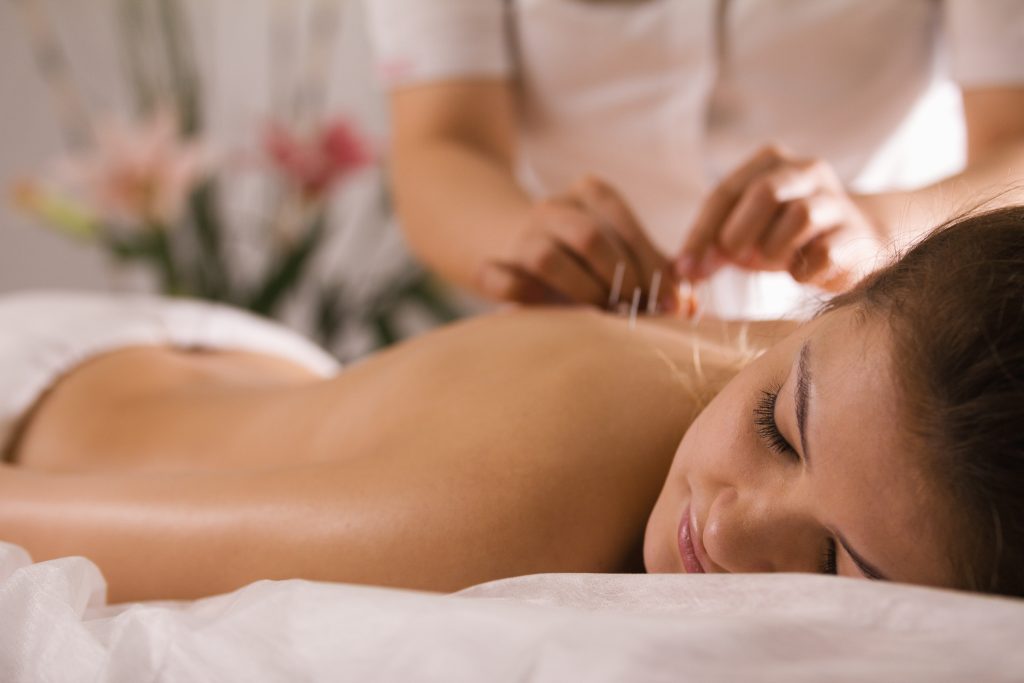
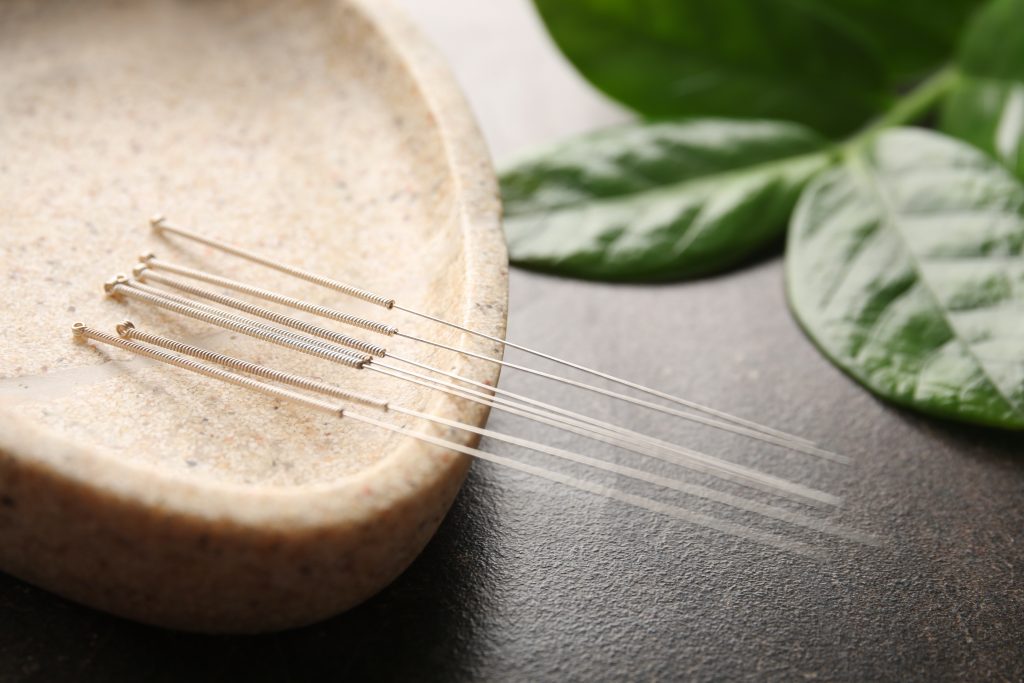
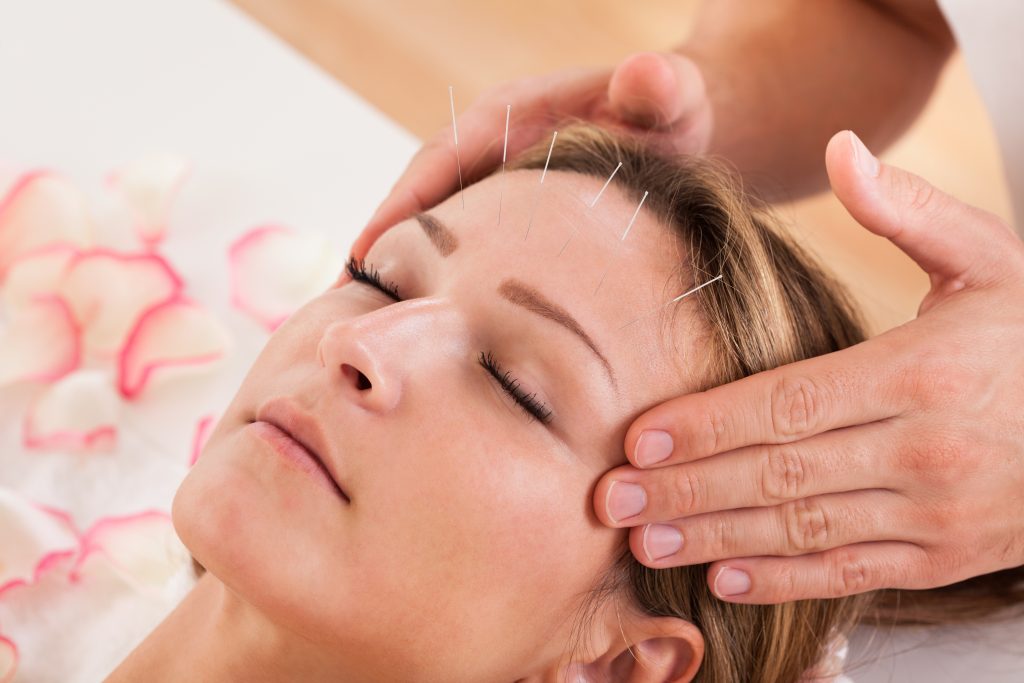
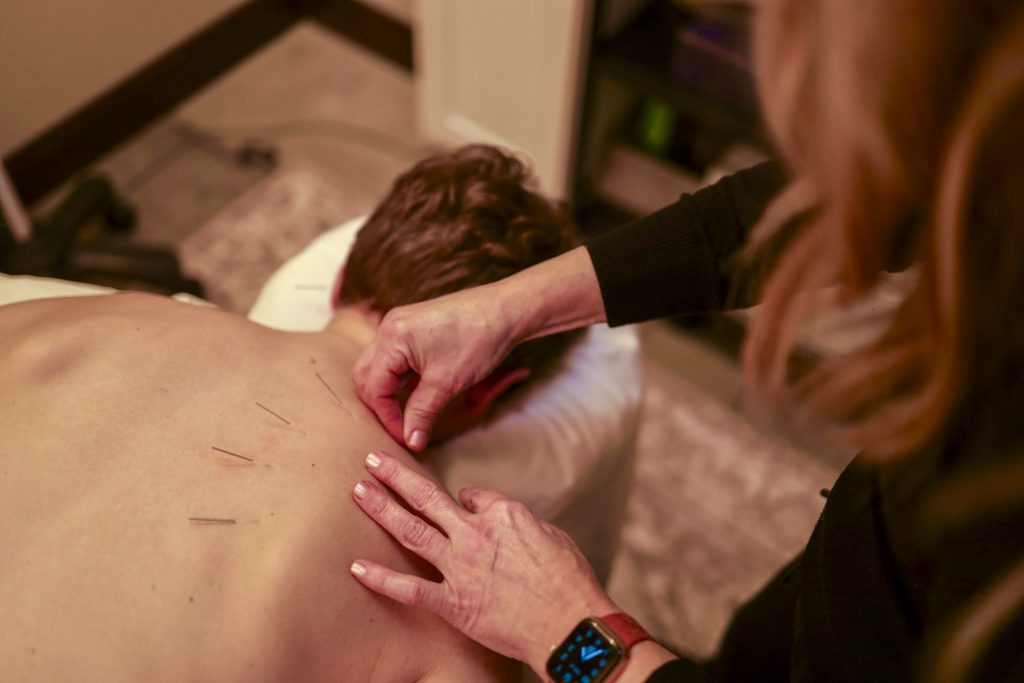
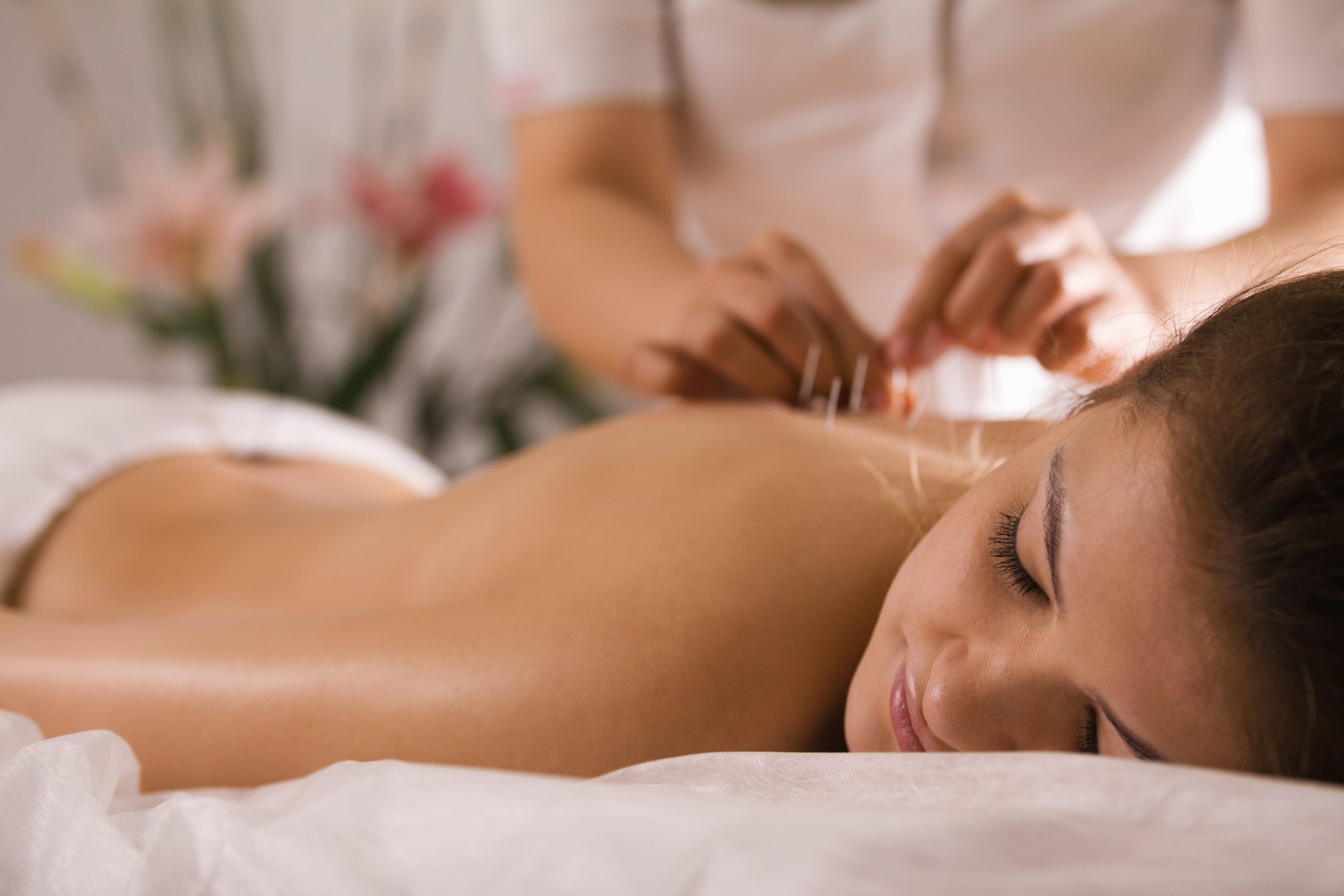
Acupuncture consists of the insertion of fine, sterile acupuncture needles through your skin to help promote health and treat illness or pain. It is part of a larger system of medicine known as Traditional East Asian Medicine (TEAM), which is based on a holistic perspective of health. Your acupuncturist may also choose to use other therapies such as massage, cupping, herbal medicine, electric stimulation, movement and breathing therapies and nutritional recommendations that are part of TEAM.
How much is Acupuncture?
Acupuncture is $90 + tax (additional $25 for initial visit exam)
Is Acupuncture Safe?
Yes! Research has shown that when provided by a licensed acupuncturist, with the proper training, using sterile, single-use needles, acupuncture is considered very safe. The risks of acupuncture are low. Side effects might include temporary soreness, tiredness, minor bleeding, or bruising. Your acupuncturist will review the risks with you at your first meeting.
How Many Treatments Do You Need?
Each person responds differently to acupuncture and the number of treatments you need depends on how you respond and your condition. Acupuncture treatment plans are created for you, taking into account your unique lifestyle, condition and goals. Often receiving 4 – 6 treatments is enough to see if this therapy will help you. If your condition is chronic (long-lasting), you may need more treatment. Some patients choose to include regular acupuncture as a normal part of their health and wellness.
Cupping
Benefits of Cupping
Pain Management: Cupping is widely used to relieve chronic back and neck pain, tennis and golfer’s elbow and migraines. It works by altering pain signal processing through the "pain-gate" theory, which suggests the suction blocks pain signals to the brain.
Increased Blood Circulation: The vacuum effect expands blood vessels and increases localized blood flow. This improved circulation delivers oxygen and nutrients to tissues, which can speed up muscle recovery and promote cell repair.
Reduced Inflammation: Suction can create "micro-trauma" that triggers the immune system to release white blood cells and other chemicals to the area, decreasing systemic inflammation.
Myofascial Release: Often called "massage in reverse," cupping lifts and separates fascial layers, helping to reduce muscle tension, break up scar tissue, and improve range of motion.
Detoxification: Proponents suggest cupping helps remove toxins by improving lymphatic drainage and stimulating the immune response, though this claim isscientifically controversial.
Athletic Recovery: Elite athletes use cupping to flush out lactic acid and reduce soreness after intense workouts.
Systemic Health Support: Some evidence suggests potential benefits for respiratory issues (like asthma or congestion), skin problems (like acne), and lowering blood pressure.
Relaxation: Many people find the process deeply relaxing, which may help reduce stress and anxiety.
While generally safe, cupping often
causes temporary bruising that typically fades in 7–10 days. It is not recommended for individuals with bleeding disorders, heart failure, or active skin infections.
HISTORY & PROCESS
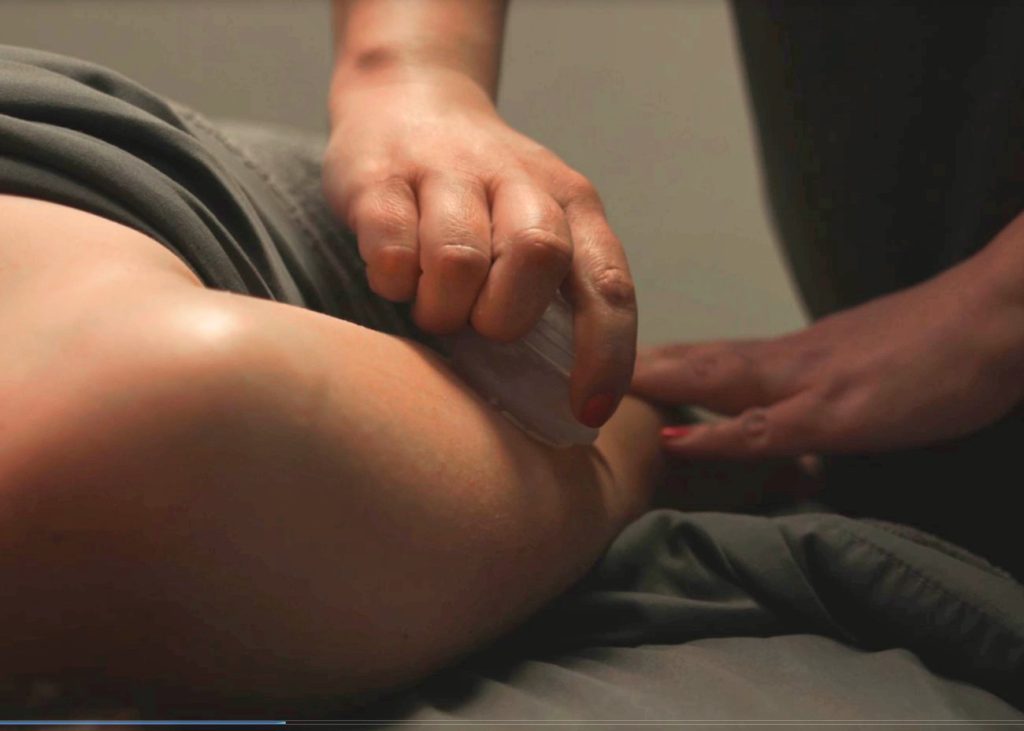
An ancient form of alternative Chinese medicine that dates back thousands of years, cupping is all about circulation, bringing blood to areas that it doesn’t normally reach by creating a suction into a cup, which releases connective tissue underneath the skin that wraps around your muscles and creates space for circulation and nutrients to flow.
When we are tense and tight, connective tissue begins to twist, but cupping allows the muscles to move freely without restriction. The practice relieves pain, provides a rejuvenating effect, and boosts the immune system.
A cupping session starts with a health history intake to identify the musculoskeletal problem areas where you are having pain. After this, the skin will be prepared for cupping depending on the treatment plan. There are several variations of cupping including sliding, stationary and facial. The variation used will be determined by the main complaint and areas of pain. The treatment time is usually 30-45 mins total, which is determined by the length of time the cups are on the skin, and may be moved to other locations during the treatment time so that all areas are addressed and released.